

Moving to a new home can be among the most invigorating yet difficult experiences in life. Each relocation tells a unique story, highlighting the path of transformation, new beginnings, and occasionally a dash of chaos. Regardless of whether you are moving across town or across the country, the transition can often feel overwhelming, with countless tasks and decisions to navigate along the journey. This is where the right guidance can create all the difference.
In this article, we delve into the narratives of relocation, providing a comprehensive look at the many facets of the moving process. From practical checklists and packing tips to suggestions on transitioning with pets or kids, we strive to prepare you with the insight you need to turn a potentially stressful event into a smoother, more organized experience. Join us as we uncover insights from the front lines of movers, packed with strategies and stories to help you each step of the way.
Crucial Moving Approaches
When preparing for a relocation, one of the best tactics is to begin ahead of time. Start your planning at least eight weeks in advance. Create a comprehensive moving to-do list that outlines tasks to be accomplished each week's time, from organizing and cleaning out to boxing up and notifying utility companies. By breaking down the process into manageable steps, you alleviate the stress and chaos that frequently are involved in last-minute arrangements. This organized method not only ensures that nothing is forgotten but also gives you the opportunity to address unexpected issues that may come up.
Another important strategy is to focus on systematization. Use the "Keep, Toss, Donate" method to declutter your belongings before packing. This not only diminishes the amount of items to move but also helps you determine about what you really require and appreciate. Once you know what you’re taking, implement a detailed labeling scheme for your boxes. Clearly marking Movers Portland with its contents and the area it is for will save you energy and annoyance during the unpacking process. Additionally, consider the efficient hacks that let you to fit more into each box, utilizing your moving supplies.
Lastly, consider the psychological aspects of moving, especially if you have kids or pets. To make the transition smoother, create a "First Night" essentials box that contains items you'll need immediately at your fresh home. This includes toiletries, snacks, and soothing items for kids or pets. Involving children in the moving process with activities designed to keep them busy on moving day can also smooth their transition. These strategic arrangements not only facilitate a more systematic move but also foster a supportive environment for everyone involved during this significant time.
Getting Ready and Preparing for the Move
As preparing for a move, systematization is crucial. Begin by developing a schedule based on the Definitive Moving Checklist: 8 Weeks Before to Moving Day. Start organizing your living area with the Keep, Discard, Donate system, which facilitates to reduce your load while making sure you hold onto items you genuinely need. This method not only simplifies packing less stressful but also sets the tone for a fresh start in your future home.
Next, handle each room systematically. In the case of the kitchen, discover how to pack a kitchen without damaging a dish by using proper packing methods, such as protecting breakables thoroughly and leveraging durable boxes. Marking your boxes properly is important; employ the Basic Packing Guide to excel at the craft of box labeling. This way, you’ll have clarity on where all your items are when you reach your new place, reducing you effort and stress.
Don’t forget to prepare for the important things on moving day. Build a First Night Necessities Box packed with items you'll need immediately upon reaching your destination, such as toiletries, snacks, and basic cooking supplies. Handling your utility changes in ahead of time is important too; use the Step-by-Step Guide to Transferring Your Utilities to prevent avoidable interruptions. By implementing these strategies, your packing process will be streamlined, making the actual move much more doable.
Navigating Moving Event
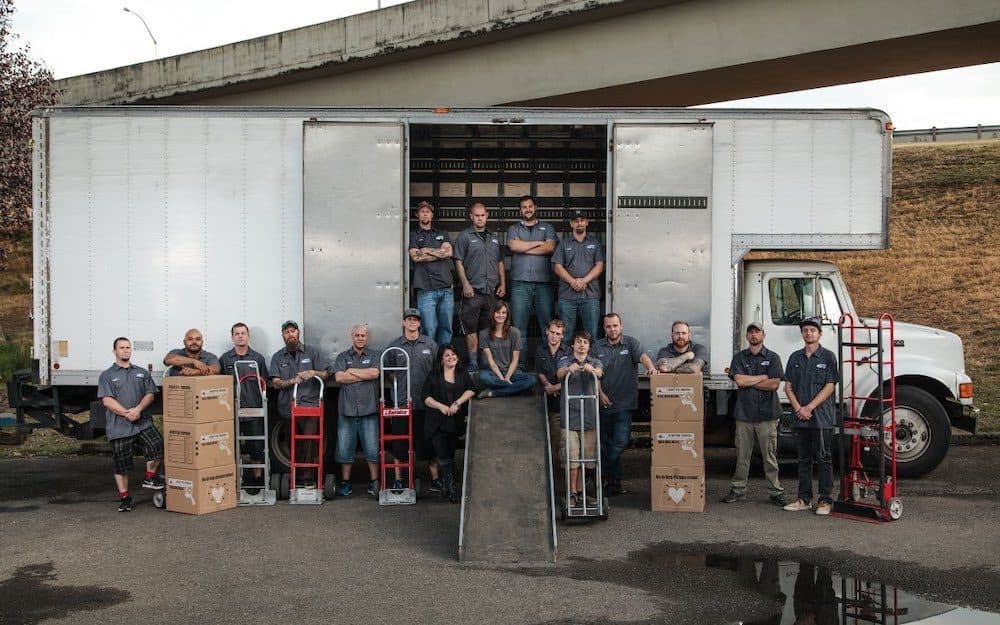
Relocation day can often come across like a storm, full of energy and chaos. To ensure a smooth transition, start by having a detailed strategy for the day. Create a roadmap that includes the time the movers are scheduled to arrive, when you need to have the final items packed, and the time you plan to leave for your new home. Keeping in touch is key; make sure your movers are aware what to anticipate regarding the configuration of your previous residence and any specific items that need extra care.
As the movers get there and the heavy lifting begins, prioritize supervising the process without obstructing them. Designate a space for boxes and furniture to be placed in your new place, preferably in the area where they will eventually go. Use this opportunity to be engaged—if you see the movers dealing with an item, jump in to help or provide advice on how it can be handled better. This collaboration not only speeds up the process but also creates a positive environment throughout the busy day.
Finally, take a moment amidst the busyness to look after your well-being and your family. Make sure Movers Portland have water and snacks available, particularly for children and pets, who may find the disruption hard. Remember to enjoy the moment—this is a fresh start in your life. Celebrate minor achievements as boxes are unloaded and rooms start to take shape, knowing that soon enough, your new home will feel just right.